Spotted on the Roadside: Duke Kahanamoku and the Shaman Stones

duke

shaman stones waikiki

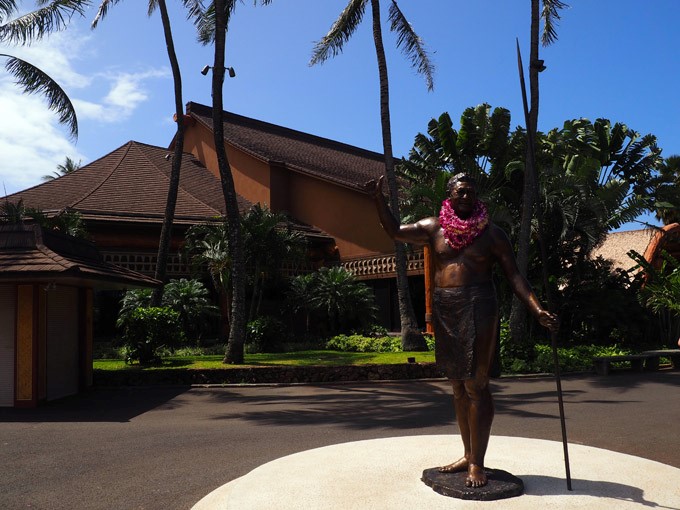
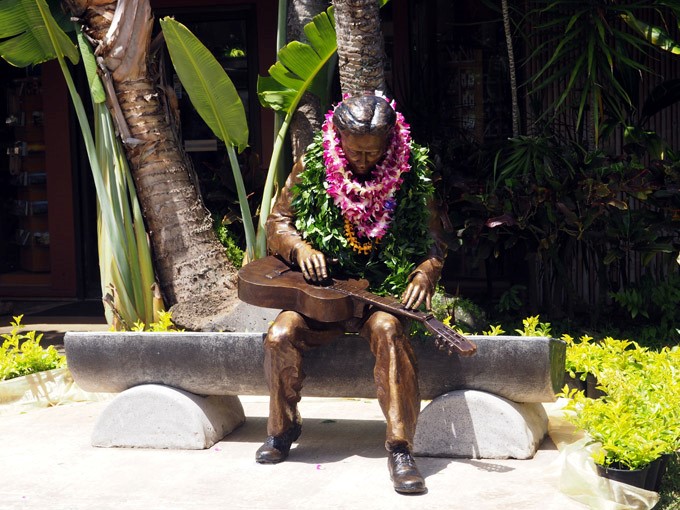
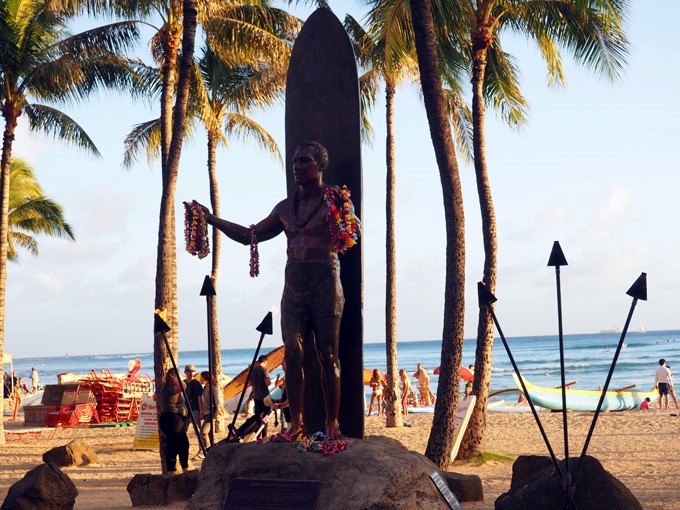
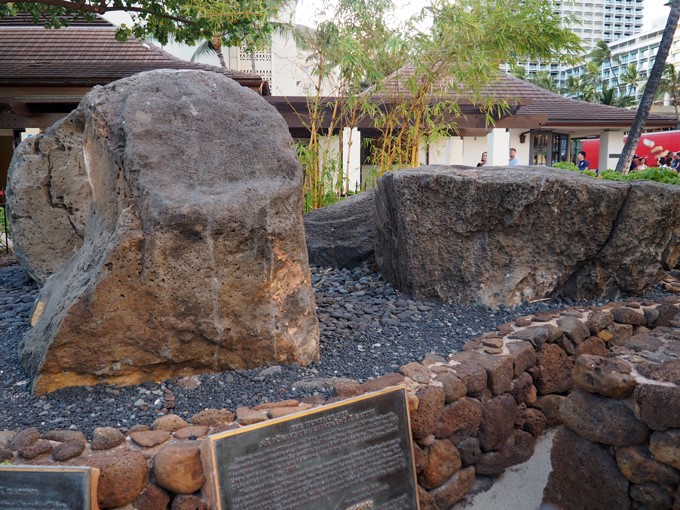
Residing beside one another in Waikiki are two sites of note–the shaman stones (or “Stones of Life), and a statue of Duke Kahanamoku. As long as throngs of tourists aren’t blocking your view, you can literally turn from one and see the other!

The plaque on the Stones of Life reads “Legend says that these stones are the living legacy of four powerful Tahitian healers who once resided near this site at a place called Ulukou. From the court of the Tahitian chief, the names of the four were Kapaenahu, Kapuni, Kinohi and Kahaloa. They came from Moa’ulanuiakea on the island of Raiaiea long before the reign of Kakuhihewa, beloved O’ahu chief during the 1500’s. The fame of the healers spread as they traveled throughout the islands administering their miraculous cures. When it was time to return to Raiaiea, they asked that two stones be placed at their Ulukou residence and two at their favorite bathing place in the sea. Four huge stones were quarried from Kaimuki, and on the night of ‘Kane’ thousands transported the stones to Ulukou. Incantations, fasting and prayers lasted a full cycle of the moon. The healers then gave their names and mana (spiritual power) to the stones before departing to their homeland.”

In 1997, the stones were moved together in Waikiki, placed on an altar, and fenced in to protect them. The heaviest stone weighs almost 7.5 tons–no wonder it took thousands of people to transport them!

The statue of Duke Kahanamoku is by far the more popular tourist attraction–Duke was the father of international surfing, having introduced the sport to the eastern seaboard. He was also a multi-Olympic goldwinner, movie star, and even served as sheriff for a time, and was honored with this statue in 1990*.  Duke’s torches are lit with a special ceremony every Tuesday, Thursday, Saturday, and Sunday at 6:30pm, followed by a hula performance. If you’re in need of a quick Hawaiian vacation, you can crank up the heat in your home, make a drink, and watch via webcam.


*Duke was also honored with a beachfront restaurant and bar that everyone says you should go to, but you really, really shouldn’t, unless super drunk cover bands singing “hotel california” are your thing.  Their lava flow drink is the bomb, though.

Spotted on Kalakaua Ave in Honolulu, HI
Pu’u O Mahuka Heiau Oahu

ancient hawaiian temple

hawaiian temple

puuo mahuka heiau

view of the ocean

wrapped rock

lava rock wrapped in leaf

pillbox

waimea bay

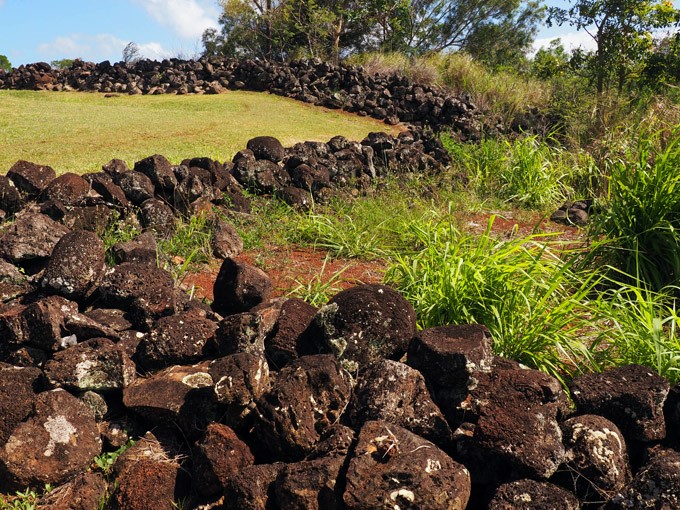
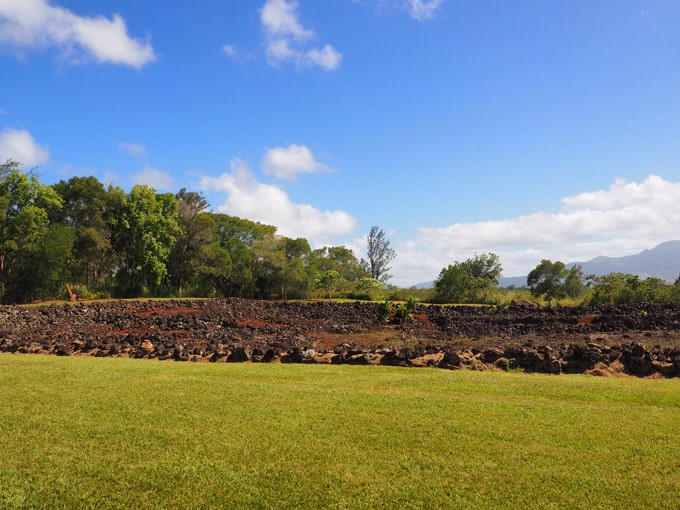
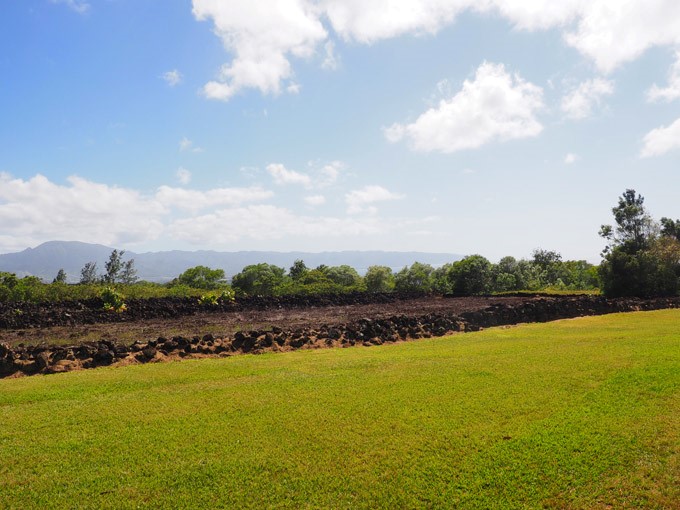
A surprisingly short distance from the tourist gear rental shops and the Pupukea grocery store is one of the most sacred sites on Oahu. If you drive up the twisting, one car-width road, you’ll find Pu’u O Mahuka Heiau (“Hill of Escape”)–what remains of a large temple. It’s remarkably well-preserved for a structure so old, and signs indicate the area that may have served as a central altar. It’s said that this place is one of two on Oahu where the wives of ancient chiefs gave birth, and the gods were also honored here with sacrifices and offerings for success in war.  What did not happen at this temple were burials: it was believed that bones contained great power which would be bestowed on the possessor. It’s for this reason that the ancient chiefs were buried in secret spots on the mountain.

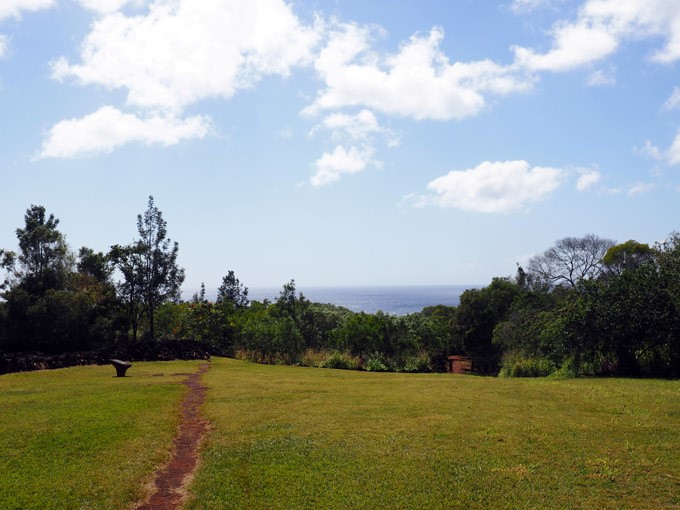
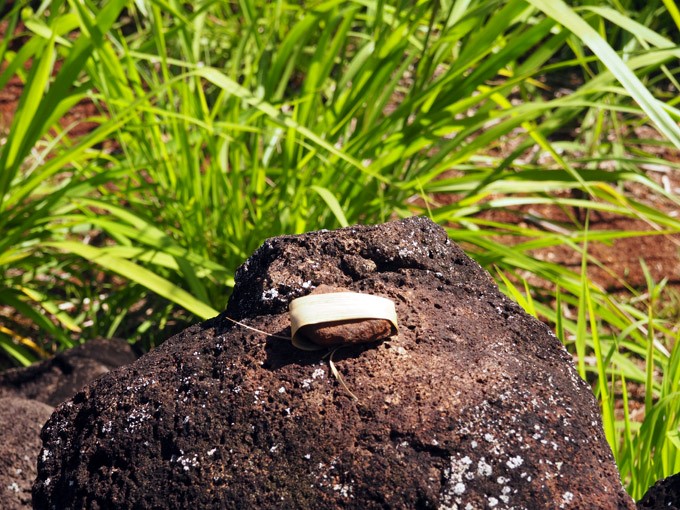
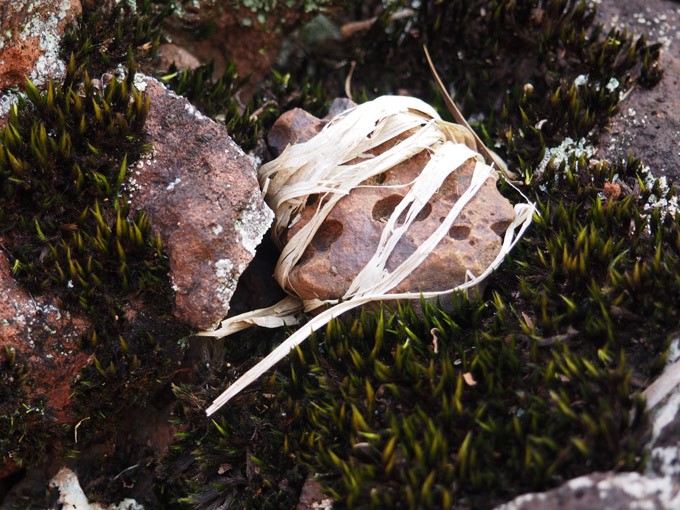
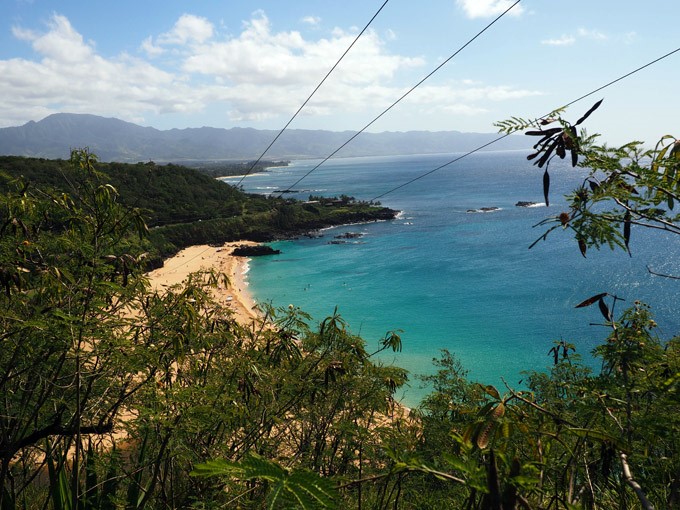
Leading from the temple is a short, easy path that leads you to a beautiful view of Waimea Bay–so easy, it can be done in slippers. Along the path, you’ll see a number of lava rocks wrapped in ti leaves–resist the urge to do it yourself, and enjoy the scenery instead.

Save

The Polynesian Cultural Center in Oahu

tiki

polynesian cultural center

statue

ice cream from a boat

tahitian dancers

polynesian cultural center phone

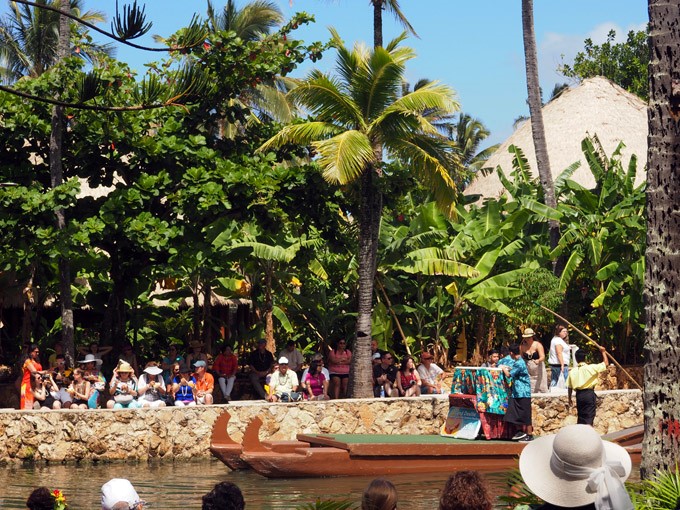
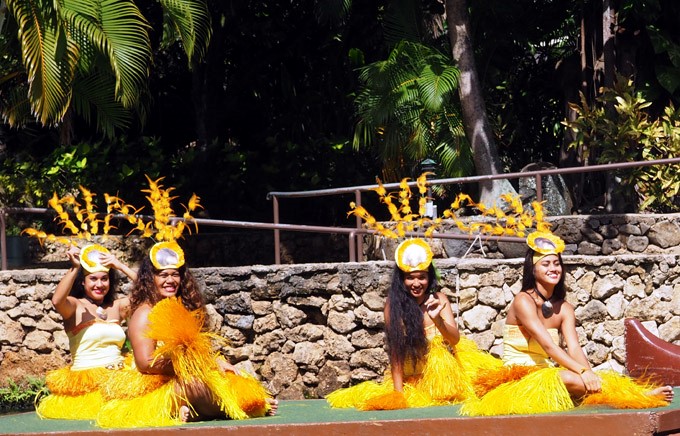
Man, I just don’t know about this place. I just don’t know. Every guidebook recommends visiting the Polynesian Cultural Center, that their luau is the best and most traditional, that it’s the Disneyland of Hawaii, that it’s wholesome, educational, and delightful. And on some level, it is that place–you can buy ice cream from a boat, you can be quadruple lei’d and spend an afternoon in the sun sniffing the fragrant flowers festooned about your person, you can try poi and pork cooked in an imu, you can consume drinks out of both a pineapple and a coconut (and spend more than a few minutes playing Monty Python and annoying everyone around you), you can see traditional crafting techniques, there’s a pretty high-production value show, and everyone who works there is almost creepily nice and calls you “family”.

But on the other hand, the Polynesian Cultural Center is like a weird human zoo, where you just have to be sort of vaguely brown to play at being a villager showing off “your” traditions (I saw one guy play a member of at least three cultures). It gets even more squicky when you consider that this place is run by the mormons–not only do you get a “look how savage these people were before we civilized them” vibe, but also, it’s the fault of missionaries that hula dancing was driven underground and almost lost altogether, so it’s pretty damn ironic that now they have the “most authentic” dances. None of this is more clear than in the after-dinner show “Ha: Breath of Life” which tells the story of one man’s life, birth to death, but switches what Pacific island he’s from throughout the show: even if it wasn’t intentional, the message is clear that they believe all of these cultures and peoples are interchangeable.

Ultimately, I have been waffling back and forth about how I feel about this place for more than a month. I really enjoyed seeing all of the different dances and outfits and trying a bunch of different Hawaiian food (‘enjoy’ might be a bit of a stretch when it comes to poi) and clipclopping around with a coconut like an asshole in public was fun, but at the same time, giving money to this place is fostering the same community that’s been helping to erase these cultures from history, and I can’t help but think that in that sense, the price of my enjoyment here was too steep.